Infidelity & Betrayal Recovery
URGENT INTERVENTION
If you have discovered an infidelity or betrayal in your romantic relationship, don't wait. Getting immediate, expert help dramatically increases your chances of relationship survival. Under this kind of extreme emotional duress, and without skilled guidance, people often destroy credibility and trust in ways that severely complicate recovery. Reach out now - the sooner we begin, the better.

The Aftermath of an Affair
In the days and weeks after a betrayal is revealed, emotions run high and are often unpredictable. Often, this period is dominated by cycles of shock, rage, and obsessive questioning. In contrast, the partner who strayed may struggle with shame, defensiveness, or a desperate urge to "move on" before any real repair has happened. These are predictable human responses to relational trauma, but left unaddressed, they only deepen the wound.
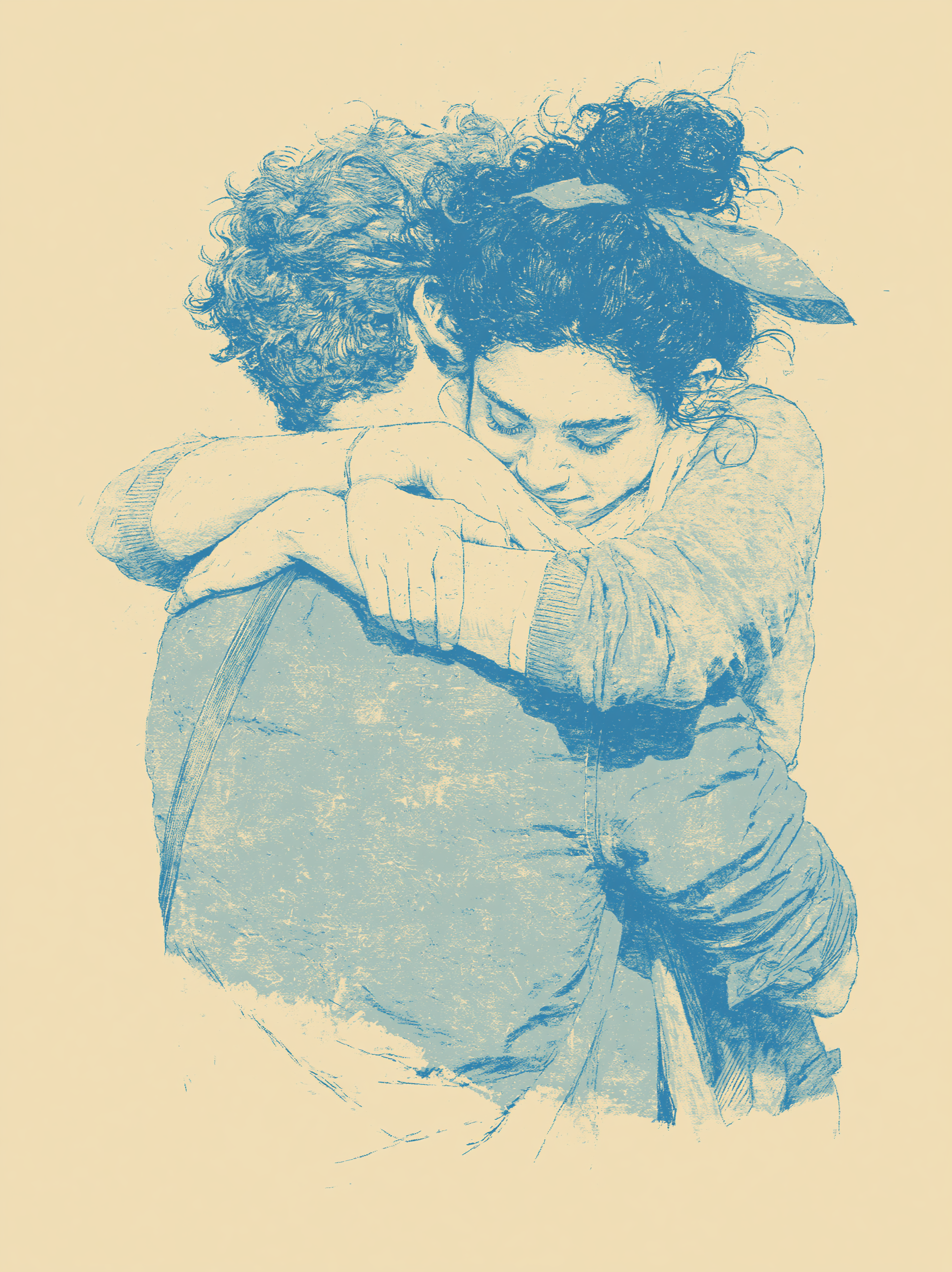
A Structured Path to Repair
For the highest chance of relationship survival, I strongly recommend immediate emergency intervention. The discovery of an affair or serious betrayal can leave both partners in a state of profound emotional and physiological alarm. Effective treatment begins by helping you calm the brain’s threat response, restoring enough safety for thoughtful conversation, sound judgment, and compassionate understanding. This essential first step lays the groundwork for rebuilding trust and beginning the process of relational repair.
Stabilize the Crisis: We begin by reducing the volatility and alarm that keeps couples stuck, restoring a sense of immediate safety and emotional regulation.
Understand the Conditions: We explore the factors that allowed the betrayal to occur—not to assign blame, but to rebuild on a foundation of honest ground.
Rebuild Trust: We focus on rebuilding intimacy through consistent, accountable action and clear communication over time.
Whether your goal is reconciliation or a respectful path forward apart, you will be supported with sensitivity, precision, and care at every stage.
-
Many couples not only survive infidelity but also build a stronger, more honest relationship than before. Survival depends less on what happened and more on both partners' willingness to engage in the work of repair.
-
Healing is a process, not an event. Most couples move through distinct stages over several months. A structured approach helps that process move with purpose rather than dragging on indefinitely.
-
That's common, and it doesn't mean the situation is hopeless. Discernment counseling can help you both gain clarity before committing to a direction.
-
You don't have to navigate this alone, and you don't have to decide everything today. A brief, confidential consultation is a safe first step.